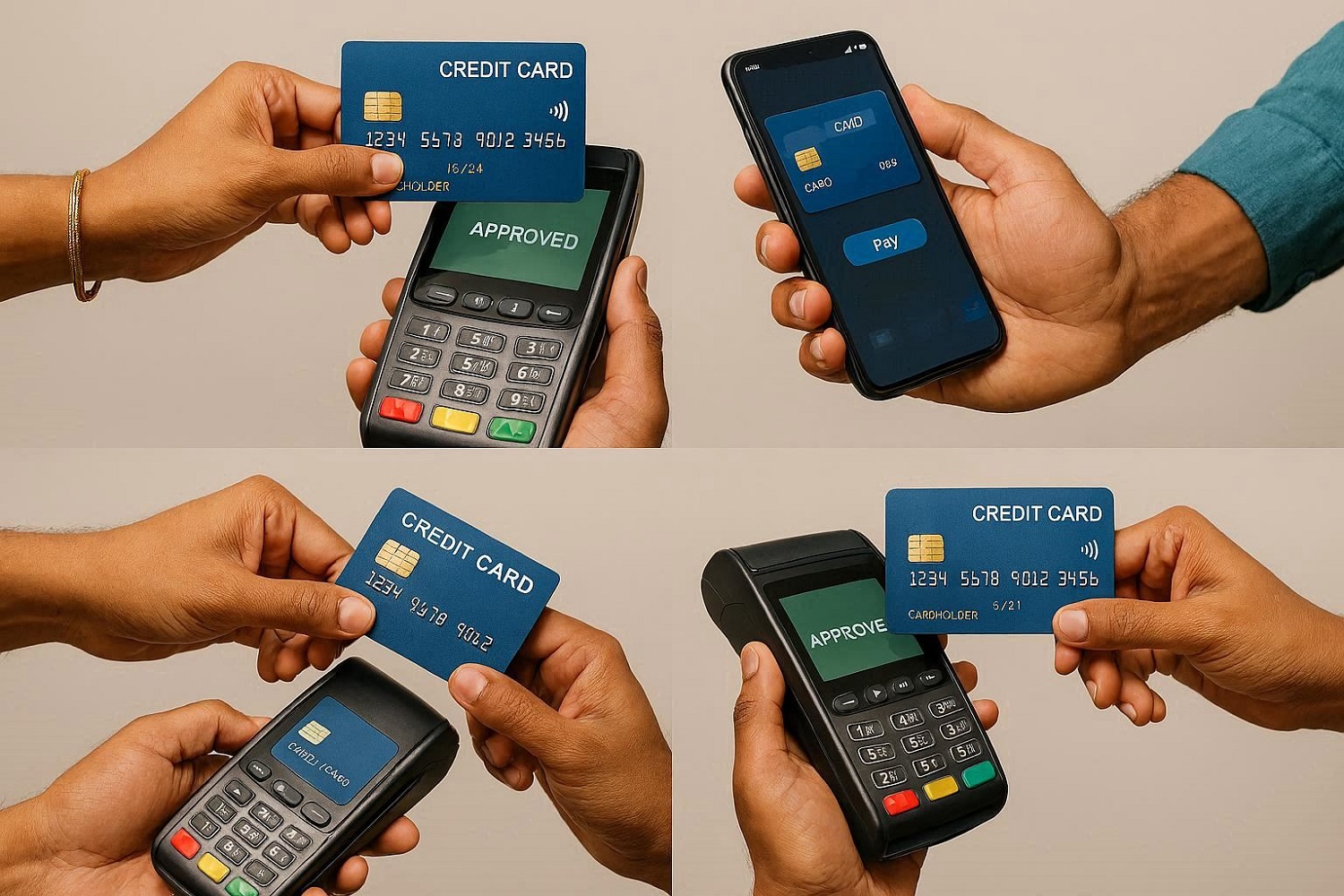
Credit card usage in India has increased rapidly in recent years. The key reason behind it is the growing trend of embracing the path of digital payments and online shopping.
It is true that most users use credit cards for convenience. But many others become the victim of financial trouble due to its misuse. And this raises an important question—are credit cards truly helpful, or do they encourage risky financial behaviour?
A credit card allows users to spend money on credit and at the same time provides a time limit to repay it later. Now, this flexibility can be very useful during the time of emergencies or when there is a need to manage monthly cash flow. However, the same feature can lead to overspending if the user fails to handle the scope carefully.
When Credit Cards Work in Your Favour
Responsible credit card usage in India can offer several benefits. And one of the biggest advantages is the ability to build a strong credit history. Importantly, regular and timely payments improve your credit score, and it is essential for getting loans or better financial opportunities in the future.
Almost every available credit card comes with rewards such as cashback, discounts, and travel benefits. Even many cards offer an interest-free period, usually between 30 to 45 days. For example, if users ensure full payment within the given time limit, then they can enjoy the benefits without paying any extra cost.
In short, credit cards can act as a useful financial tool for the disciplined users as they enjoy convenience and flexibility in everyday spending.
When It Becomes a Financial Risk
So, the above point has pointed out that responsible use of credit cards can provide many benefits. However, poor credit card usage in India can lead to financial burden instead of giving financial benefits.
Many users do not spend their own money as they obtain a false sense of affordability regarding these cards. And, later, this tendency leads to unnecessary purchases and higher expenses.
Another major concern regarding the cards is the high interest rate on unpaid balances. Yes, if you fail to pay the full amount on time, interest charges can accumulate rapidly on the unpaid balance. Moreover, missing payments can even damage your credit score and make it harder for you to get loans in the future.
Impulse buying is another common issue that many times leads to financial problems. There is a common trend that users often run for offers and discounts, and this leads to impulse buying. The reality is many people spend more just to take advantage of deals, although this kind of expense eventually leads to debt.
Building Smart Financial Habits
Maintaining discipline is a must in order to prevent the misuse of credit cards. Setting a careful spending limit, tracking card-related expenses regularly, and paying the full bill on time are three crucial factors to prevent financial risks and unwanted issues. Also, it is necessary to avoid relying too much on credit cards for daily expenses.
It is important to note that users should treat their credit card as a financial tool. It can’t act as a tool to obtain some extra income. And users should understand this fact, as it helps them to maintain control over their spending, and simultaneously it diminishes the risk of falling into the debt trap.